

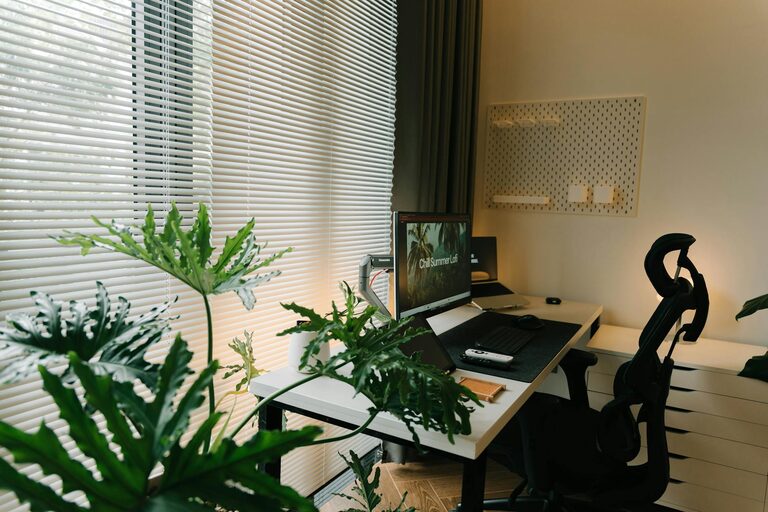
Creating a relaxing home workspace is essential for maintaining productivity and focus while working remotely or managing tasks from home. A calm and well-organized environment helps reduce stress, improve concentration, and boost creativity. Whether you have a dedicated room or just a corner of your living space, these tips will help you design a workspace that fosters both relaxation and efficiency.
Why a Relaxing Workspace Matters
When your workspace feels cluttered or uncomfortable, it can increase stress and decrease motivation. On the other hand, a peaceful setting can enhance your mood and make it easier to complete tasks. By making small adjustments, you can transform your work area into a place that supports your mental wellbeing and professional goals.
Choose the Right Location
Find a Quiet Spot
Pick a part of your home with minimal distractions and background noise. If possible, choose a room with a door so you can separate work from home life.
Consider Natural Light
Natural light has mood-boosting benefits and helps regulate your body clock. Position your desk near a window to enjoy daylight, but avoid glare on your computer screen by using blinds or curtains if needed.
Invest in Comfortable Furniture
Ergonomic Chair
A supportive chair is crucial for long hours of work. Look for one that supports your lower back, encourages good posture, and is adjustable to your height.
Desk Options
Choose a desk that fits your available space and allows you to organize your tools effectively. If possible, try a sit-stand desk to alternate between sitting and standing throughout the day.
Keep Your Space Organized
Minimal Clutter
A tidy workspace reduces distractions. Use storage solutions like shelves, drawers, or desktop organizers to keep essential items within reach but out of sight.
Cable Management
Untidy cables can make your desk feel chaotic. Use clips, cable sleeves, or boxes to keep wires neat and prevent tangling.
Personalize Your Workspace
Add Greenery
Plants not only brighten up your space but also help purify the air and reduce stress. Choose low-maintenance plants like succulents or snake plants.
Calming Decor
Incorporate items that promote tranquility, such as artwork, calming colors, or scented candles. Choose decor that inspires you without cluttering your desk.
Control Lighting and Temperature
Adjustable Lighting
In addition to natural light, have a desk lamp or adjustable lighting to reduce eye strain during darker hours.
Maintain Comfortable Temperature
Make sure your workspace is neither too hot nor too cold. Use fans, heaters, or open windows to regulate the temperature and stay comfortable.
Use Technology Wisely
Noise-Cancelling Headphones
If you cannot find a quiet spot, noise-cancelling headphones can help block distractions and increase concentration.
Manage Notifications
Turn off unnecessary notifications on your computer and phone to maintain focus on your work.
Establish a Routine
Set Work Hours
Create clear start and finish times for your workday to separate professional time from personal time.
Take Breaks
Regular short breaks help reduce fatigue and improve productivity. Use methods like the Pomodoro Technique—work 25 minutes, break 5 minutes—to stay refreshed.
Incorporate Relaxation Techniques
Mindfulness and Stretching
Incorporate deep-breathing exercises or gentle stretches during breaks to relieve tension and improve focus.
Background Music or White Noise
Some people find soft background music or white noise helpful for concentration. Experiment to find what works best for you.
Final Thoughts
A relaxing and organized home workspace is within your reach, and the benefits are well worth the effort. By thoughtfully choosing your location, furniture, decor, and routines, you can create an environment that supports your productivity and wellbeing every day. Start making these changes today to enjoy a more peaceful and efficient work experience at home.