

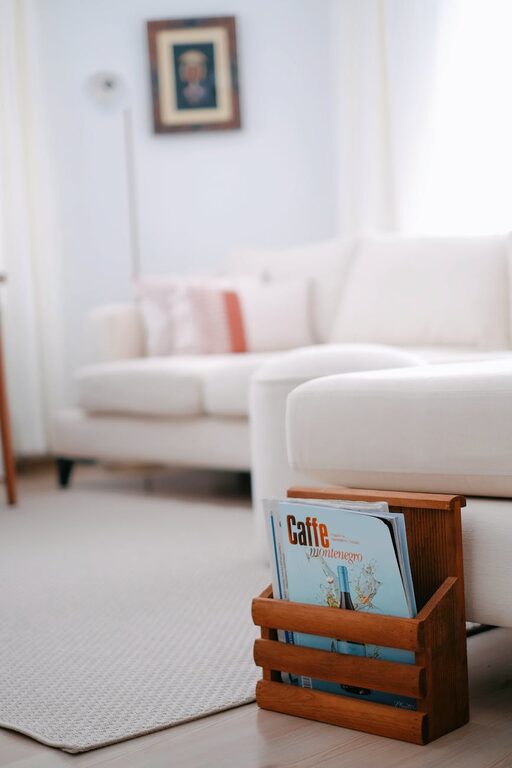
Creating a clutter-free living space can transform your home into a peaceful, enjoyable retreat. However, tackling disorganization can sometimes feel overwhelming. The good news is that with a few simple DIY home organization tips, you can easily bring order to your rooms without expensive tools or complicated plans. This guide shares practical ideas to help you declutter, organize, and maintain a tidy home, all with everyday materials and creativity.
Why Organizing Your Home Matters
A well-organized home offers numerous benefits: it reduces stress, saves time searching for items, and creates a more inviting environment for you and your guests. Clutter can make spaces feel smaller and chaotic, whereas clear spaces promote relaxation and focus.
Start With a Decluttering Session
Before organizing, it’s essential to declutter. Here’s a step-by-step approach:
- **Choose one area at a time:** This could be a drawer, a shelf, or a corner of a room.
- **Sort your belongings:** Make three piles—keep, donate/sell, and discard.
- **Be honest:** If you haven't used something in a year and it has no sentimental value, consider letting it go.
- **Dispose properly:** Recycle what you can and responsibly discard the rest.
Decluttering makes organizing easier by reducing the number of items you must manage and helps you become more mindful of what you truly need.
Use Clear Storage Containers
One of the easiest DIY tricks is to use clear containers for organizing items, especially small ones. Benefits include:
– Visibility: You can easily see what’s inside without opening every box.
– Uniformity: Matching containers create a neat look.
– Stackability: Clear bins and boxes often stack well to save space.
Label your containers with a label maker or simple tape and marker. This helps maintain order as everyone in the home knows where things belong.
Create Zones for Different Activities
Dividing your rooms into functional zones helps contain clutter. For example:
– Entryway zone: A place for keys, shoes, and coats.
– Work zone: A designated desk or table with organized supplies.
– Relaxation zone: A tidy space with everything needed for hobbies or leisure.
Use baskets, shelves, or bins to contain items related to each activity. This method reduces mixing items from different zones and makes tidying quicker.
Maximize Vertical Space
Think beyond drawers and cabinets. Walls offer excellent space for organizing and storing:
– Install floating shelves to display books or decorative baskets.
– Use hooks or pegboards to hang bags, tools, or kitchen utensils.
– Add wall-mounted organizers in closets or laundry areas.
Maximizing vertical space keeps floors clear and makes use of often overlooked areas.
Repurpose Everyday Items
DIY doesn’t always require buying new storage products. Many everyday items can be creatively repurposed:
– Use mason jars for storing craft supplies or kitchen essentials.
– Old shoe organizers make great storage for cleaning products, snacks, or office supplies.
– Tension rods inside cabinets can separate cutting boards or spray bottles.
Repurposing is budget-friendly and can add a personal touch to your space.
Maintain Daily Habits to Keep Clutter Away
Organizing once is great, but maintaining order requires small daily efforts:
– Spend 5-10 minutes each day tidying one room or area.
– Always put items back in their designated spots after use.
– Regularly review possessions every few months to decide if anything can be removed.
Building these habits prevents clutter from accumulating again and makes cleaning less daunting.
Organize Cables and Electronic Accessories
Electronics can quickly add to disarray. Manage cords and accessories by:
– Using cable ties or Velcro straps to bundle cords neatly.
– Labeling cords for easy identification.
– Storing chargers and gadgets in designated baskets or drawer organizers.
Keeping these items under control improves appearance and functionality.
Tips for Specific Rooms
Kitchen
– Use drawer dividers to keep utensils separated.
– Store pots and pans with lids upside down to save space.
– Label pantry containers to quickly find ingredients.
Bathroom
– Organize toiletries in trays or small baskets.
– Use suction hooks inside shower for loofahs and brushes.
– Store makeup in clear acrylic organizers.
Bedroom
– Utilize under-bed storage bins for off-season clothing or spare linens.
– Hang scarves and belts on hooks or hangers.
– Keep jewelry in a small dish or organizer to avoid tangles.
Final Thoughts
Creating and maintaining a clutter-free living space doesn’t have to be complicated or expensive. With simple DIY home organization tips, such as decluttering, using clear containers, maximizing vertical space, and adopting daily habits, your home can feel more spacious, inviting, and calm. Start small, be consistent, and enjoy the benefits of an organized home!